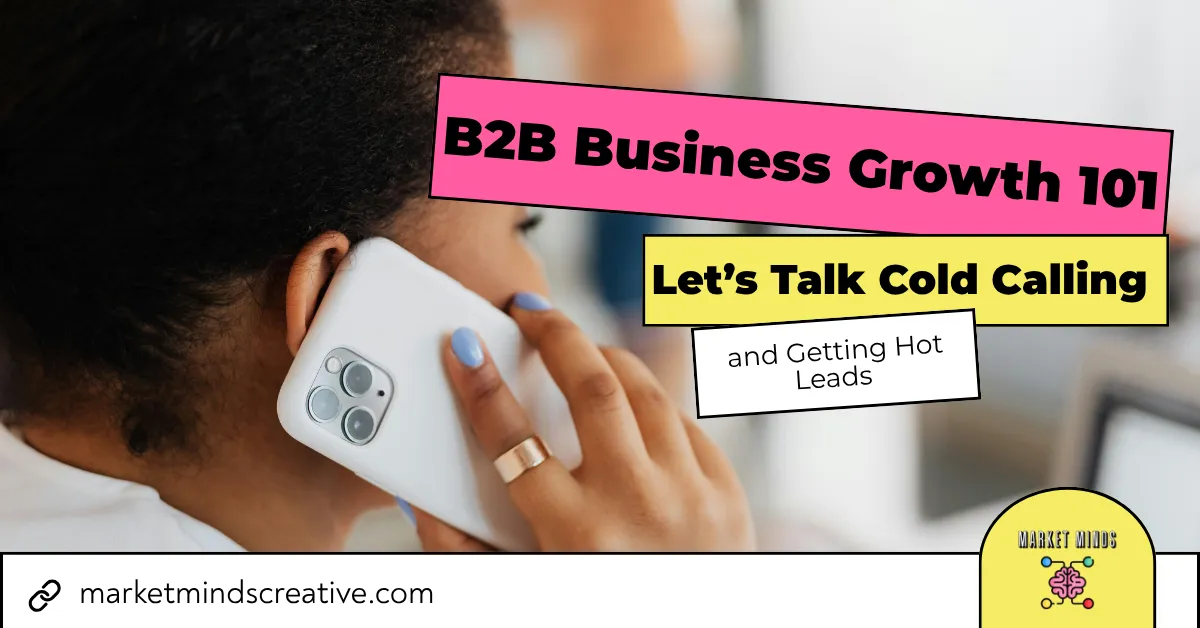
Cold Calling Service: What It Is & How It Works
Cold calling remains one of the most widely used outbound sales strategies for businesses looking to generate leads, build relationships, and create new opportunities. Despite the rise of digital marketing, email campaigns, and social media outreach, cold calling continues to play an important role in helping companies connect directly with potential customers. For business owners and beginners who are unfamiliar with the process, understanding how cold calling services work can help determine whether this approach is suitable for their sales and growth goals. When done strategically, cold calling can help businesses reach decision-makers, qualify prospects, and increase revenue through meaningful conversations.
What Is Cold Calling?
Cold calling services is a sales technique in which a salesperson contacts a potential customer who has not previously expressed interest in a product or service. The goal of the call is to introduce the business, identify potential needs, and determine whether the prospect may be interested in learning more. Unlike inbound marketing, where prospects initiate contact with a business, cold calling is a proactive outreach method. Companies use cold calling to connect with individuals or organizations that fit their target audience profile and may benefit from their products or services.
The Meaning of Cold Calling
The term "cold calling" refers to contacting someone without a prior relationship or direct interaction. The prospect may have never heard of the company before the call takes place. Because the conversation begins without an established connection, sales representatives must quickly build trust and demonstrate value. Cold calling focuses on opening conversations and identifying opportunities rather than making immediate sales. Successful cold calls often lead to follow-up meetings, demonstrations, consultations, or future discussions.
Why Businesses Use Cold Calling
Businesses use cold calling because it provides direct access to potential customers. Unlike some marketing methods that rely on prospects finding a company, cold calling allows businesses to actively reach out to targeted individuals and decision-makers. This approach can generate leads more quickly, provide immediate feedback from prospects, and create opportunities that may not arise through passive marketing channels alone.
What Are Cold Calling Services?
Cold calling services are professional solutions provided by sales agencies or specialized teams that handle outbound calling on behalf of businesses. These services help companies generate leads, book appointments, qualify prospects, and support sales growth. Many organizations choose to outsource cold calling because it allows them to focus on their core operations while experienced sales professionals manage prospect outreach.
How Cold Calling Services Operate
A cold calling service typically begins by identifying a target audience based on factors such as industry, company size, location, or decision-maker role. The service provider then develops scripts, outreach strategies, and qualification criteria before contacting potential prospects.
During each conversation, representatives gather information, assess interest levels, answer questions, and determine whether the prospect is a good fit for the client's offerings.
Benefits of Outsourcing Cold Calling
Outsourcing cold calling can reduce the need for internal hiring, training, and management of sales representatives. Businesses gain access to experienced professionals who understand sales communication techniques and lead qualification processes. This approach can improve efficiency, increase lead generation capacity, and provide consistent outreach without requiring additional internal resources.
How Does Cold Calling Work?
Cold calling follows a structured process designed to identify potential customers and move them through the sales funnel. While every business may have its own approach, the fundamental process remains similar across industries. The goal is not simply to make calls but to create meaningful conversations that uncover needs and establish interest.
Identifying the Target Audience
The first step in cold calling involves defining the ideal customer profile. Businesses determine who is most likely to benefit from their products or services and create prospect lists accordingly. A targeted approach improves efficiency because representatives focus their efforts on individuals or organizations that match specific criteria rather than contacting random prospects.
Preparing the Sales Script
Before making calls, sales teams often develop scripts or conversation frameworks. These scripts help representatives communicate key messages clearly while maintaining flexibility during the conversation. A well-designed script includes an introduction, value proposition, qualifying questions, and a call to action that encourages further engagement.
Making the Initial Contact
The initial call serves as an opportunity to introduce the business and capture the prospect's attention. Representatives briefly explain the reason for the call and seek to understand the prospect's challenges, goals, or needs. Successful cold callers focus on creating conversations rather than delivering lengthy sales pitches. Building rapport and demonstrating relevance are critical at this stage.
Qualifying the Prospect
Not every prospect will be a good fit for the product or service being offered. Qualification helps determine whether a prospect has the need, authority, budget, and interest necessary to move forward. By identifying qualified prospects early, businesses can focus resources on opportunities that have the greatest potential for success.
Scheduling Follow-Up Actions
If a prospect expresses interest, the next step may involve scheduling a meeting, product demonstration, consultation, or additional conversation. Follow-up activities help move prospects further through the sales process. Consistent follow-up is often essential because many sales opportunities require multiple interactions before a decision is made.
Cold Calling vs Telemarketing
Many people use the terms cold calling and telemarketing interchangeably, but they are not exactly the same. While both involve phone-based outreach, their objectives and approaches often differ. Understanding these differences helps businesses choose the most appropriate strategy for their goals.
The Focus of Cold Calling
Cold calling is typically targeted and relationship-driven. Representatives contact specific prospects who match a defined customer profile and aim to start meaningful business conversations. The primary objective is often lead generation, appointment setting, or sales development rather than immediate transactions.
The Focus of Telemarketing
Telemarketing generally involves promoting products or services to a broader audience through large-scale calling campaigns. The emphasis is often on generating direct sales or marketing awareness. While telemarketing can be effective in certain industries, cold calling tends to be more personalized and strategic, especially in B2B environments.
Key Components of a Successful Cold Calling Strategy
Cold calling success depends on more than simply making large numbers of calls. Effective strategies combine preparation, communication skills, and persistence. Businesses that approach cold calling strategically often achieve better results and stronger return on investment.
Research and Personalization
Prospects are more likely to engage when conversations are relevant to their specific situation. Research helps representatives understand the prospect's industry, challenges, and potential needs. Personalized conversations create stronger connections and increase the likelihood of meaningful engagement.
Effective Communication Skills
Successful cold callers listen actively, ask thoughtful questions, and adapt their communication style to each prospect. Strong communication helps build trust and uncover valuable information. Rather than focusing solely on selling, effective representatives focus on understanding and solving problems.
Consistent Follow-Up
Many prospects are not ready to make decisions during the first conversation. Consistent follow-up keeps the business top of mind and provides additional opportunities to build relationships. Persistence combined with professionalism often leads to higher conversion rates over time.
Common Challenges in Cold Calling
Cold calling can be highly effective, but it also comes with challenges that require skill and preparation to overcome. Understanding these challenges helps businesses develop realistic expectations and stronger strategies.
Handling Rejection
Rejection is a natural part of cold calling. Not every prospect will be interested, available, or ready to engage. Successful sales professionals understand that rejection is part of the process and remain focused on long-term results. Maintaining a positive mindset and learning from each interaction can improve performance over time.
Reaching Decision-Makers
One of the biggest challenges in cold calling is connecting with the right person. Gatekeepers, busy schedules, and competing priorities can make access difficult. Effective prospecting, persistence, and strong communication techniques help increase the likelihood of reaching key decision-makers.
Industries That Benefit from Cold Calling Services
Cold calling can be effective across a wide range of industries, particularly those that rely on direct sales and relationship building. Businesses that sell high-value products or services often use cold calling to generate qualified leads and create new opportunities.
Business-to-Business Companies
B2B organizations frequently use cold calling to connect with executives, managers, and decision-makers. This approach helps generate meetings, qualify leads, and support long-term sales growth. Many industries such as technology, consulting, financial services, and marketing rely heavily on outbound prospecting.
Local Service Providers
Local businesses can use cold calling to introduce their services to nearby companies and organizations. This approach can be particularly effective for businesses seeking commercial clients or long-term contracts. Direct outreach often helps local providers establish relationships within their target market.
Why Cold Calling Remains Relevant Today
Despite the growth of digital marketing channels, cold calling remains a valuable sales tool because it provides direct human interaction. Conversations allow businesses to build relationships, answer questions, and understand prospect needs in real time. Cold calling also complements other marketing channels by creating opportunities that may not emerge through email or online advertising alone. When integrated into a broader sales strategy, it can support predictable lead generation and business growth.
Conclusion
Cold calling is a proactive sales strategy that helps businesses connect directly with potential customers, generate leads, and create new opportunities. Whether handled internally or through professional cold calling services, the process involves identifying target prospects, initiating conversations, qualifying leads, and scheduling follow-up actions. While challenges such as rejection and gatekeepers exist, a well-planned approach can produce valuable results. For businesses seeking a direct and measurable way to build relationships and expand their customer base, cold calling continues to be a highly effective sales and lead generation method. Contact us today to leverage professional cold calling services and start generating quality leads for your business.
Frequently Asked Questions
1. What is cold calling?
Cold calling is a sales technique where representatives contact potential customers who have not previously interacted with the business to introduce products or services and generate interest.
2. How do cold calling services work?
Cold calling services contact targeted prospects on behalf of a business, qualify leads, schedule appointments, and support the sales process.
3. Is cold calling the same as telemarketing?
No. Cold calling is generally more targeted and relationship-focused, while telemarketing often involves broader promotional campaigns aimed at larger audiences.
4. Does cold calling still work for businesses?
Yes. Cold calling remains an effective strategy for lead generation, appointment setting, and relationship building when executed properly.
5. Which businesses benefit most from cold calling?
B2B companies, service providers, technology firms, consultants, and organizations selling high-value products or services often benefit significantly from cold calling.
